The Master Came. He Looked. It Worked.
I was young when I first understood what real mastery looks like. A chief engineer flew in from Rio de Janeiro. The engine had been silent for days. Half a day later, it was roaring If you've built something real through decades of hard work, this one is for you.
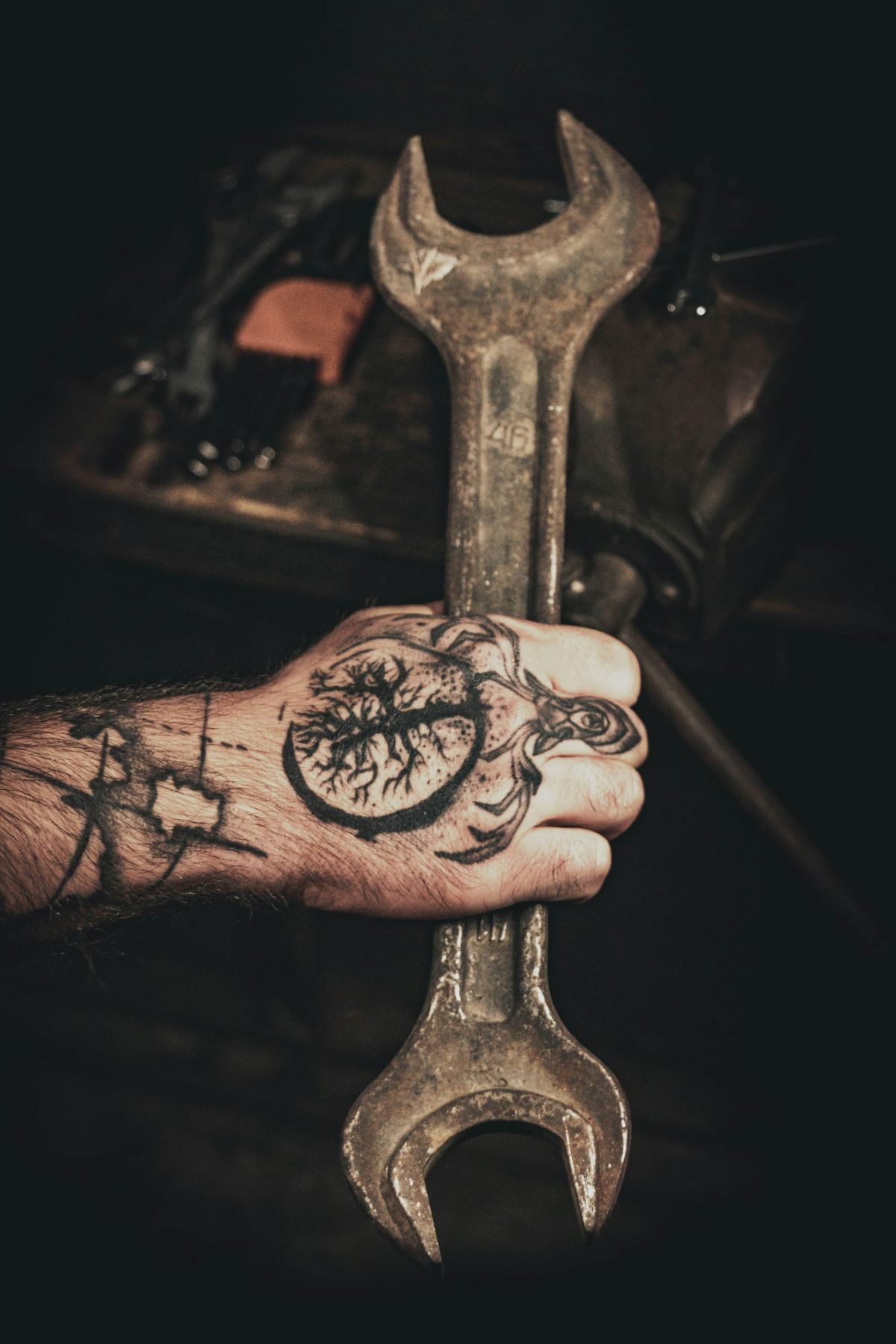
I was young when I first understood what real mastery looks like.
We were in port, about to head out to sea. The main engine was giving problems. The engineering crew had been working on it for days: capable men, trained men, men who knew their trade. But the engine stayed silent.
Then our new chief engineer arrived. He had flown in from Rio de Janeiro. Old. Close to retirement. Moving slowly but deliberately, in a way men move when they have nothing left to prove.
He went down to the engine room. He looked. He listened. He put his hands on the engine the way a doctor examines a patient.
Half a day later, the engine was roaring.
What surprised me was not that he fixed it. What surprised me was how casual he made it look. As if starting a dead engine was the most natural thing in the world. In that moment, without saying a word about himself, he established himself as the undisputed chief engineer. When someone praised him, he smiled quietly. The way you smile when something confirms what you already knew.
I overheard the second engineer say it perfectly.
"The master came, looked, and it worked.
The World That Formed Him
My teachers at maritime school were men like him.
They had worked at Shell, Van Ommeren, Smit International, and KNSM in the 60s and 70s. Each of them carried their own story from those years. They spoke with confidence and demanded respect. Not because they asked for it. Because they had earned it in a way that left no room for question.
They knew the times had changed. They said so. But they also knew the principles remained the same. So they stood in front of us and tried to put into words what their hands already knew. Stories about how to take care of an engine. How to read a ship. How to feel when something was about to go wrong before any alarm sounded.
Not all of those stories reached everyone in the room equally. Some classmates heard them as nostalgia. Others heard them for what they actually were. I sometimes find those latter classmates on social media. They are still sailing.
They were trying to pass something forward. Something that could not be written in a textbook because it did not come from a textbook. It came from the sea.
The chief engineer from Rio was a product of that formation. A generation of maritime men forged in the chaos of post-war reconstruction, when the global shipping industry was being rebuilt from surplus war vessels, and the men who built it carried their knowledge in their hands because that was the only place it could live.
Aristotle Onassis and Stavros Niarchos saw what nobody else clearly saw. The world was about to consume oil at a scale never seen before. They bought fleets of Liberty ships and T2 tankers and built maritime empires from that clarity. Not because they had better data. Because they had the depth of judgment that comes from being formed by a world that does not forgive mistakes.
What the Sea Actually Teaches
Life at sea can be brutal. No matter how modern the ship.
Nature will not be tamed just because of that.
What the sea teaches, and what no classroom can replicate, is how to expect the unexpected. You learn from situations that hit hard. Those lessons stay with you in a way that comfortable lessons never do. So when something is about to go wrong, you begin to feel it before it happens. Not because you have seen that exact situation before. Because the sea has formed you into someone who is always on guard, always reading what is in front of them, always aware that conditions can change faster than any procedure can account for.
That formation is what lived in the chief engineer's hands when he touched that engine. He was not diagnosing. He was recognizing. He had felt something like this before, in a different form, on a different ship, in a different port. And he had come through it.
Today, many people want to take a shortcut to the positions that formation produces. A degree from a maritime college feels like a faster path to the bridge, to the engine room, to the authority those positions carry. And there are more accidents and incidents happening as a result. Preventable ones. The kind that a man with his hands on the engine would have felt coming.
The certificate is not the problem. The skipping is.
What Changed
The chief engineer's mastery traveled through the work itself.
You felt it the moment the engine roared back to life. No translation needed. The result was the message. And everyone standing in that engine room received something from watching him work, whether they could name it or not.
My teachers at maritime school tried to do the same thing in a classroom. They knew the direct transmission was harder now. The ships were more modern. The industry had changed. So they used words where the sea had once used experience. They told stories. They tried to carry something forward through language because the direct channel was no longer available.
That is the oldest form of narrative there is.
Today the maritime founder faces the same challenge. The depth is real. The formation is real. Years of unexpected situations, hard lessons, decisions made under pressure with no manual to consult. That knowledge lives in the founder the way the chief engineer's knowledge lived in his hands.
But it happens behind closed doors now. In terminals and engine rooms and operations centers, a world the next client will never see. What they see first is a website. A tender document. A LinkedIn profile that reads exactly like the company next to them in the harbor.
The depth is real. The channel no longer carries it automatically.
The Question That Remains
I still think about that chief engineer. About what it meant to be in the presence of someone whose mastery was so complete it looked like simplicity. He had become what he knew. And what he knew spoke for itself.
The teachers at my maritime school tried to keep that alive. They stood in front of young people and put their hard-won knowledge into words, knowing that the principles remained the same even when everything else had changed.
That chain did not break. It runs through every maritime founder who built something real by being formed the hard way. By the sea, by the unexpected, by the lessons that hit hard and never leave.
The question is not whether you carry that formation.
The question is whether it travels. Whether the people who have never stood in your engine room, never watched you work, never seen what you do when nature refuses to cooperate, can feel the weight of what formed you.
The master came, looked, and it worked.
What do people say when they talk about you?